HomeCategory

Article

Stereotactic Laser Ablation vs Open Corpus Callosotomy: A Systematic Review and Meta-Analysis of Individual Patient Data

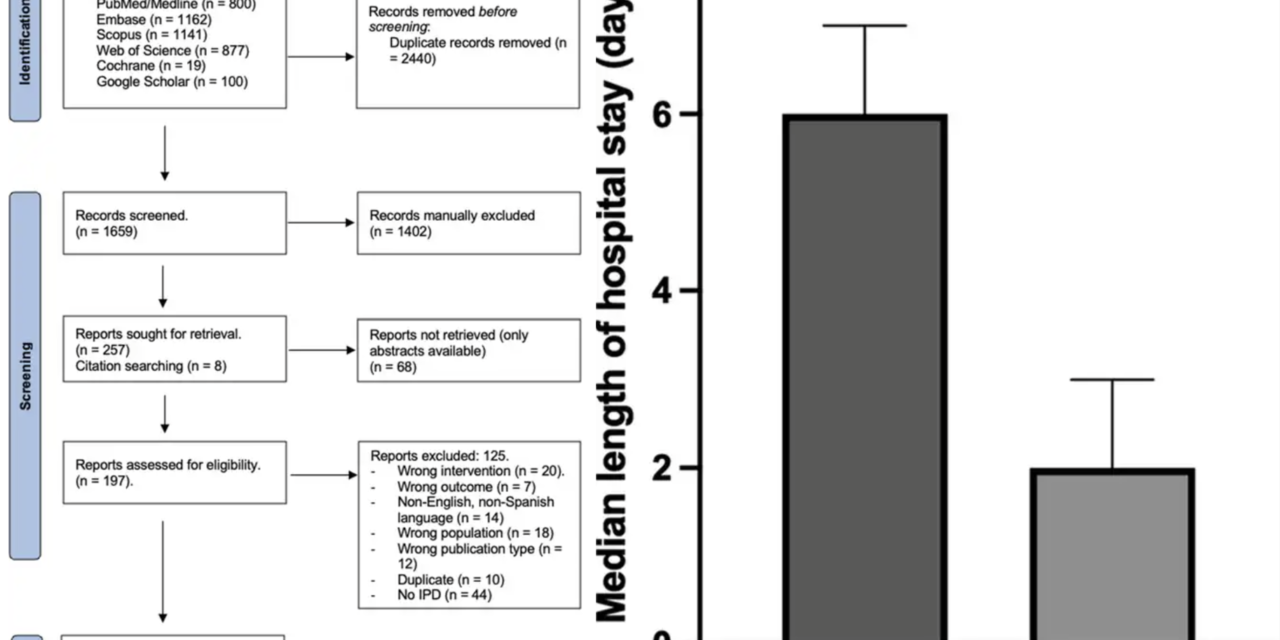
BACKGROUND AND OBJECTIVES: This study compares seizure outcomes and complication rates between open corpus callosotomy (CC) and laser interstitial thermal therapy (LITT) CC in adult and pediatric patients with medically refractory generalized epilepsy. Although CC is a palliative option for nonresectable foci, the efficacy and safety of LITT CC compared with open CC remain unclear....
A deep representation learning model to predict response to vagus nerve stimulation

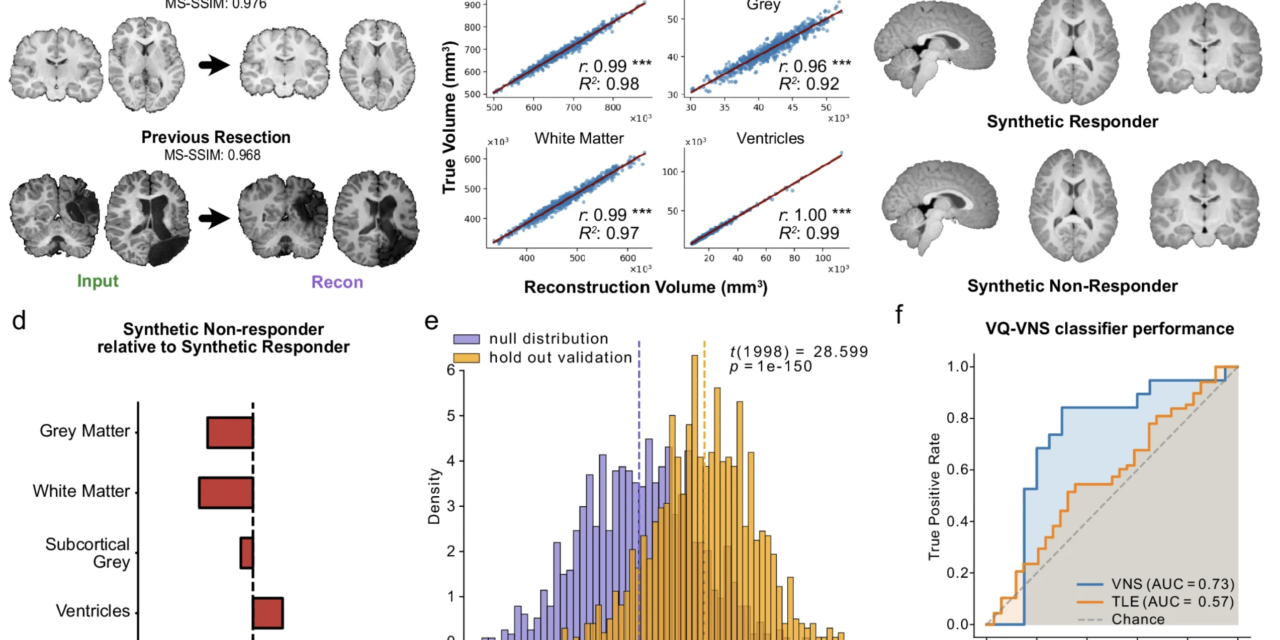
Implantable neurotechnologies are increasingly used to reduce seizure burden in pediatric epilepsy. Vagus nerve stimulation (VNS), the most common option, is effective for only half of patients, with no means to predict outcome prior to surgery. As a result, many children undergo invasive and costly procedures without benefit. Although T1-weighted magnetic resonance imaging (T1w) is routinely...

Awake surgery for intrinsic cerebellar tumor involving the middle cerebellar peduncle

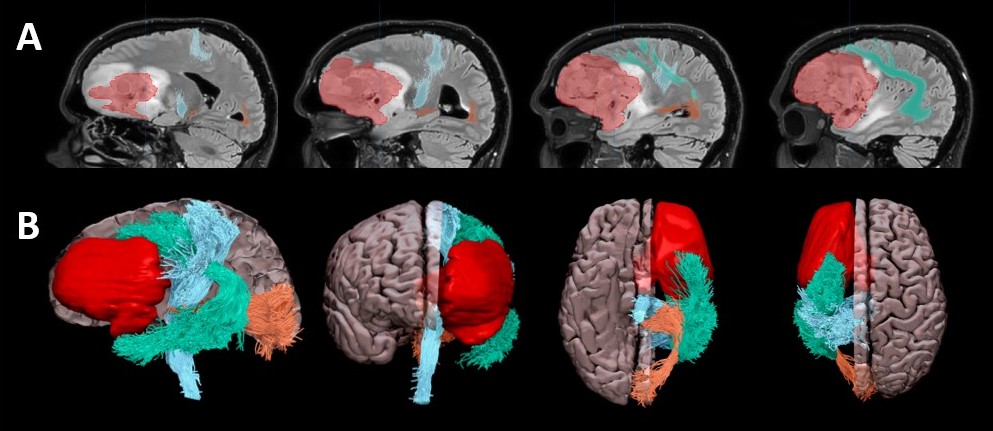
Originally introduced for epilepsy surgery, awake brain surgery is now frequently used for resection of brain tumors. In such cases, it allows for a more extensive and safer resection of supratentorial lesions in highly eloquent areas, such as motor, sensory, and language regions. We present the case of a 22-year-old, right-handed woman who underwent awake surgery...

Slide1

Despite informing on the location of functionally relevant white matter tracts, diffusion MRI tractography is not routinely used to guide neurosurgical procedures. The potential of tractography to help avoid postoperative neurological deficits is not yet fully established.The objective of our study was to assess whether surgeries that incorporated tractography, either alone or in conjunction with...

Central thalamic deep brain stimulation for disorders of consciousness: an individual participant data meta-analysis

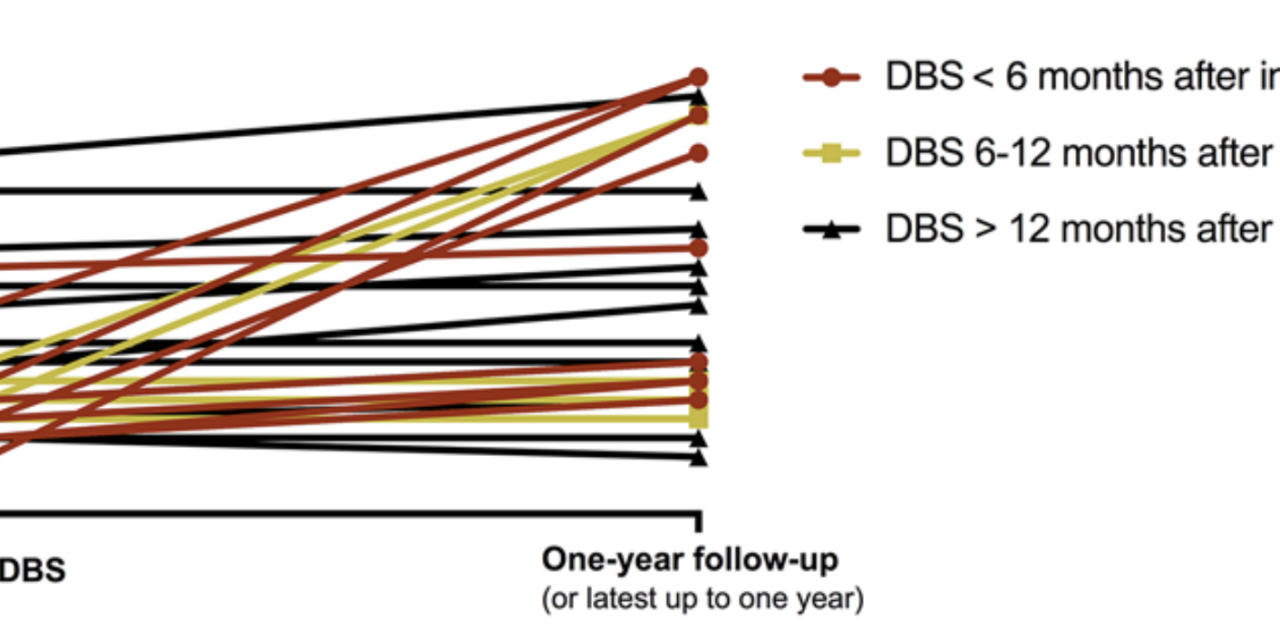
OBJECTIVE Severe traumatic brain injury, cerebral hemorrhage, or cardiac arrest can lead to disorders of consciousness, such as coma, unresponsive wakefulness syndrome, and minimally conscious state (MCS). Deep brain stimulation (DBS) of central thalamic nuclei has been used as therapy to restore consciousness and promote neurological recovery for these patients. It is difficult to evaluate...

Yale Brain Atlas to interactively explore multimodal structural and functional neuroimaging data

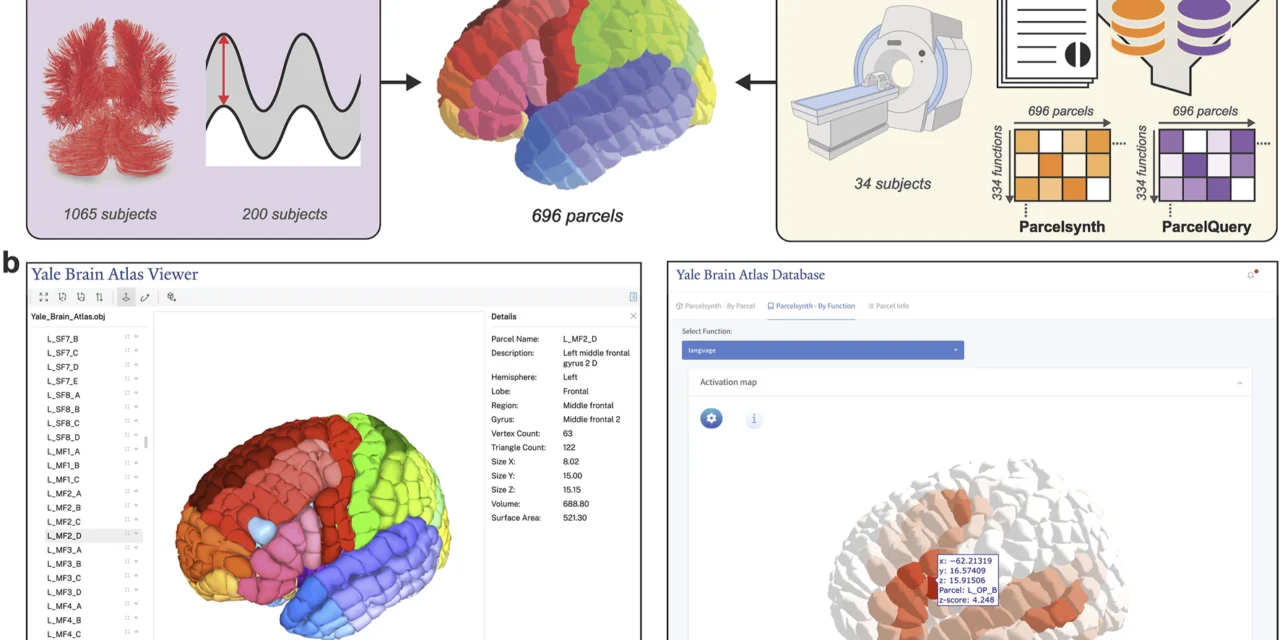
Understanding the relationship between structure and function in the human brain is essential for revealing how brain organization influences cognition, perception, emotion, and behavior. To this end, we introduce an interactive web tool and underlying database for Yale Brain Atlas, a high-resolution anatomical parcellation designed to facilitate precise localization and generalizable analyses of multimodal neuroimaging...

Outcomes of cyberKnife radiosurgery for trigeminal neuralgia in patients with multiple sclerosis.

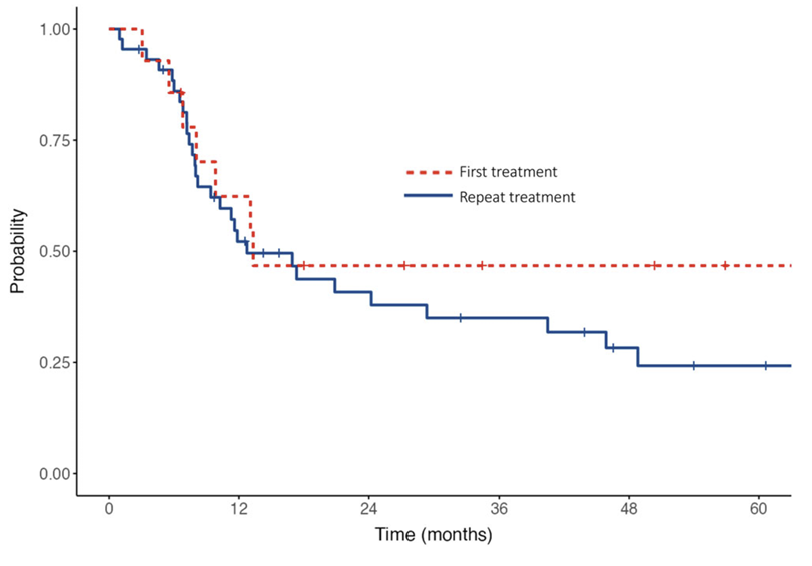
ABSTRACT: Background: The outcomes of radiosurgery for trigeminal neuralgia (TN) in patients with multiple sclerosis (MS) are not as extensively assessed as those for idiopathic or classical TN cases. Objective: Evaluate the safety and efficacy of radiosurgery for TN in MS patients and identify potential predictors of successful outcomes. Methods: A retrospective single-institution cohort study...